Don’t Let Your New Year’s Resolution Wreck Your Image

180163510_895ab7c445_o

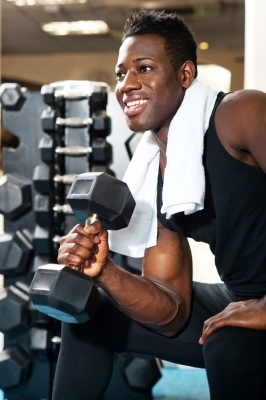
With the start of the new year, there are going to be a number of resolutions made to “get in shape.” For some, this means losing a few pounds. For others, they might want to build muscle. One area of concern for guys is the tendency to over-compensate for a “skinny” body image by deciding to do some “body building.” This often creates eating issues of its own. To add muscle fast, you attempt to take in more calories than you burn. (To make this sound cool, we call it “bulking.”) That might be the exact same behavior you just worked so hard to change!

I’m a strong advocate of adding resistance training to any weight loss program but particularly for men. If you have anxiety about the gym, now’s as good a time as any to work through it. Lean mass helps you burn fat. It also has a huge impact on a man’s body image. When a guy loses a lot of weight but hasn’t built much muscle, there’s a chance that they still won’t be satisfied with their appearance. They’ll want to “bulk up” and they end up putting on a lot of unhealthy weight again. When weight training is added to weight loss, the final result is a trim, fit and athletic build.

What’s a bit ironic is that being bulky isn’t even the preferred look any longer. According to a CNN article on the new ideal physique for men, cultural preferences are trending towards lean and athletic. Looking naturally fit and healthy without having spent your life in the gym or wasted money on countless supplements is what’s favored in the media and fitness magazines. It’s also being popularized by fitness trends like MoveNat. It’s a look that many men can actually achieve and maintain.

If you think you’re too skinny now, pick up some weights before you pick up that extra meal. A man with moderate muscle mass but low body fat can look a lot more “buff” than a bulky guy with no definition. You’ll be healthier and you’ll prevent yourself from entering a cycle of yo-yo dieting that can do more harm than good.

Photo credit: alphadesigner / Foter / CC BY-NC-ND

Overcoming Shame and a Negative Body Image

Id-10072062

One of the most often voiced issues by men after losing weight is that they “still feel fat.” Often, they still have a hard time looking in the mirror or taking their shirt off in public without applying a lot of self-criticism. Sometimes they still see someone that’s heavy but, just as often, they now see someone that is TOO skinny and “out of shape.” There’s a general awkward feeling in their new skin and a poor body image remains.

To make a full and healthy transition from being an overweight individual, it’s important to develop an acceptance and even appreciation of your new body. Some of the awkwardness comes from the fact that it is a new body. It’s lighter and moves more easily than before. Your muscles simply need to get used to the lighter load. The physical aspect resolves quickly but the mental picture often needs some repainting.

Losing weight doesn’t magically boost your confidence. You might be getting a lot of positive feedback and compliments but those often seem superficial. Your body image is far more than just skin deep. It comes from your self perception and, worse, is clouded by often false beliefs regarding others’ perceptions of you.

So what’s it going to take to get over this speed bump? Well, the most honest answer is simply “time.” You can do something to accelerate your mental shift, however. Start noting what situations make you feel less than awesome. Are they mainly in social gatherings or at times when you’re alone? Are they self induced from negative thoughts or do other’s comments bother you? Look it over and see if a pattern develops. If you start boiling it down, I’m guessing you’ll have words like “self conscious,” “embarrassed,” “insecure” and “unworthy.” Together, these simply result from the insidious human perception called shame.

Brené Brown is a renowned researcher on the topic of shame. In her book The Gifts of Imperfection, she says

Shame works like the zoom lens on a camera. When we are feeling shame, the camera is zoomed in tight and all we see is our flawed selves, alone and struggling.

Feelings of shame negatively impact confidence, self-esteem and well-being. What’s the cure for shame? According to Brown, it’s compassion, belonging and authenticity.

To be wrapped in compassion, fill your life with people that make you feel accepted as you are. Conversely, care for others. Create a sense of belonging by taking risks and joining in with your fellow human beings. Volunteer, expand your social circle, and make yourself open. Finally, strive to be the authentic you. Are you living to your full potential and within your values? Do you truly own every aspect of what it means to be you? Are you letting external forces or your inner critic prevent you from creating the life you deserve?

Let go of what others think; you have no control over their thoughts anyway. Stop giving outsiders the power to impact your life. They haven’t earned it.

Work at changing your perceptions to realize how truly wonderful and unique you are when you’re being the authentic you. Stomp shame. Regain your confidence and self-esteem and leave that fat-suit in the dust.

Image courtesy of David Castillo Dominici at FreeDigitalPhotos.net

Clothes Make the Man: I Hated the Husky Section!

Id-10091402

For some it’s a pleasure while others see it as just a chore. It can also be terrifying. I’m talking about clothes shopping.

I don’t know if they still have them in department stores but I had to buy all of my clothes in the “husky” section when I was young. This was essentially a men’s section they put in the children’s clothing department for the fat boys. I was wearing a 42″ waist in eighth grade so there was no way I could fit into traditional kids’ clothes. Accordingly, most of my clothes weren’t in line with what other kids my age were wearing. [Great, just one more thing to set me apart from my peers.] I hated shopping for clothes at the start of each school year. My mom would just cart me off and we’d get it all done in one morning so that the trauma was minimized. For some, this negative experience continues into adulthood. I recently heard from one guy that simply lost it and broke into tears in the middle of the men’s department because he couldn’t find anything that fit.

For most men, buying clothes is a pop-in-and-just-get-what-I-need event or they buy online. However, this doesn’t stop retailers from marketing to men or those that buy their clothes for them. You can pick up any health magazine and see the most current trend being worn by a fitness model with a sub-30″ waist and 44″+ chest. While women have dealt with this for most of their lives, I think men are just now starting to feel similar pressure to look good. When you’re fit, buying new clothes might not be an issue (other than coughing up the dough) but when you’ve been buying your clothes in the big-and-tall section until recently, how do you make that transition?

As I started losing weight, shopping for clothes still wasn’t all that enjoyable because I had some vision of where I should be at any point in time. I’d pick up a large shirt and find I still needed an XL or my pant size hadn’t dropped. Though sometimes frustrated, I pushed ahead and eventually started seeing some progress. I started using clothes shopping as a motivator. I would regularly get a few new things in the smaller size so I knew I always had something that fit well and looked good. These first few new items were always a better brand (relatively expensive) too so there was a financial incentive to not go backwards. I donated my larger clothes as soon as I replaced them with smaller sizes. I felt I had “made it” when I took some shorts into the Abercrombie and Fitch dressing room and had to actually buy two sizes lower than I had expected.

So I share this with you as another example of some of the mental trash that can be taken to the curb once you have lost weight. I know guys that still buy clothes too large either because they simply haven’t thought to go to a smaller size or they’re still trying to hide their body. As you reach your goal weight and figure out what your new size is going to be, treat yourself to some new clothes that fit well. Take a friend or spouse/partner that knows something about style with you and have them give their opinion. You worked hard for the new body and you deserve to look and feel your best. Don’t let prior discomfort or lack of knowledge stop you from enjoying a simple pleasure of life.

Image courtesy of imagerymajestic at FreeDigitalPhotos.net

Ditch Your Fat-suit!

Fatsuit

When you’re overweight, your mind can be full of guilt, longing and self-loathing. Once you start the weight loss process, you’re singularly focused on your diet, exercise and the results on the scale. Now that you’ve finally reach your goal weight, what happens? The activities that have been taking up a good portion of your brain space are no longer needed, creating a vacuum. That vacuum has the potential to suck back in all of the insecurity, doubt and fear from which you worked so hard to free yourself. This creates a healthy, fit person that still feels overweight. You’ve basically put on a fat-suit!

We view ourselves from two different vantage points—how we feel about ourself (internal) and how we think others see us (external.) Our perceptions skew these views rooted in our self esteem and confidence. Our actions and feelings are directly driven by our thoughts or perceptions. If that vacuum pulls back in all of the negativity you’ve longed to be rid of, it will cause you to act and feel accordingly. This will have an impact on your confidence and self esteem and may actually cause others to treat you as if you’ve made no change. You get depressed, fearful, apathetic and wonder what you worked so hard for and BINGO, you slide back. Can you see how we get stuck in this vicious cycle?  To succeed, you need to ditch that fat-suit mentality once-and-for-all and leave the “old you” behind.

Plugging that vacuum is one option. This takes an awful lot of energy though as you constantly try to remind yourself of what you’ve achieved, that you know how to eat, that there’s no rational reason for you to be be afraid, etc. But I think there’s a better way. Instead of patching, how about replacing the space in your brain with new thoughts so that the old ones simply can’t come back?

Think of it this way. What do your naturally fit and healthy friends think about all day? Are they worrying about what every next meal will bring? Do they panic or have a meltdown if they miss a gym day? Probably not. Food and exercise may be important to them but they also have so much more going on in their life. That’s the key; create a full, rich, well-rounded life experience for yourself. By focusing on your overall wellbeing and developing new talents and interests you’ll naturally begin to change your perceptions of the world. You’ll increase your self-esteem and confidence in all aspects of your life. You’ll create a new, vibrant, completely whole you with a fit, healthy body at its core.

So, what to do next? Create new goals and explore new interests. Try something you wouldn’t have done when you were overweight. Do things that purposefully increase your self-esteem and confidence. Take risks; maybe go after that promotion you’ve wanted. Focus on your overall wellbeing. Live as if you’ve always been fit and knowing you have the ability to shape your own future. Yes, losing weight is tough but peeling off that heavy, ugly mental fat-suit can be harder—but you can do it!

Image from Flickr user dsb nola Creative Commons Attribution 2.0

8 Ways to Be More Confident at the Gym

Id-100103160

I recently heard one guy explain that his greatest issue after having lost weight was that he “felt like a fraud in the gym.” The only way you can be a fraud is if you’re trying to be something that you’re not. Here are a few tips on how to exercise your confidence at the gym.

Go with a Plan

 If you get to the gym and just wander around trying out different machines or picking through free weights, you’re going to look like a newbie. Have a workout plan in mind (or better yet, in hand) and complete each set with purpose and conviction. Record your workout in a paper journal or on your phone. Keeping track of your workouts will allow you to continually progress and prevent you from doing the same thing week after week. It also makes you look serious and dedicated; which you are.

Don’t Compare Yourself to Others

Look, everyone’s body is different. There are guys that live in the gym, put a lot of money and effort into building their physique and, maybe, just have the right genes. Can you aspire to be as disciplined and hard working? Sure. But never feel less than them or unworthy of being in the same gym. There’s always going to be guys that are in better shape. Constantly focusing on keeping up with everyone you see at the gym will cause you to miss the opportunity to develop other aspects of yourself that make you unique.

Know Your Limits

When you work out, don’t try to impress anyone other than yourself. If you try to move more weight than you can handle, you run the risk of hurting yourself. If you’re using terrible form, you’re likely to call negative attention as opposed to wowing anyone. When you plan your workout, make sure you start out with weights you can handle and increase them over time. When a weight gets too easy for me, I’ll usually go up by about 10% but drop the number of repetitions in a set. Each workout, I’ll increase the repetitions until I can easily handle that weight, then go up. Not before! And for gosh sake, don’t drop or throw the weight—that just makes you look like dork. It also shows that you didn’t have proper control of the weight to start.

Take a Friend; There’s Strength in Numbers

If you can, get a workout buddy. Having someone to spot you, check your form and suggest new lifts is helpful. Plus, you’ll automatically feel more comfortable being with someone you know.

Dress to Impress

I don’t mean this in a shallow, show yourself off way. However, you can increase your confidence by feeling good about how you look. Don’t wear ratty, torn and stained gym clothes that are now 6 sizes too big. Find clothes that fit correctly, are designed for working out and make you feel good. Save up for better brands; my favorites are Lululemon or Under Armour. Better brands last longer, are designed to make you look good and you’ll feel like you belong in a gym. Also, the added investment is another incentive to use them.

Be Friendly, not Flirty

Smile and don’t be afraid to talk to people but don’t make the gym a pick-up joint. Most people are there to workout and the advances will be unwelcomed.

Don’t Create Your Own Discomfort; No One is Looking Anyway

While you’re going to act like you belong there, in reality, no one is going to notice you. People go to the gym to workout. They might catch you in a passing glance but there really isn’t any reason to feel self-conscious. Be a good gym citizen and you’ll be welcomed.

Corrolary to the Last Two

OK, some gyms ARE pickup places and everyone MAY be checking everyone else out. If that’s what you’re into then you probably don’t have any confidence issues. It’s important to scope a gym out to see if it’s right for you. Most gyms will offer a free or discounted week pass. Check out the place during the times you’d typically workout. If everyone is into their workout, people are friendly and you feel comfortable then you’re good. Family oriented gyms seem to be the least intimidating. If you’re really new and the idea of going to a gym freaks you out, try starting at the YMCA or the gym at a community college. They’re used to people just getting started and will be most helpful.

Some use a gym to lose their weight while others simply don’t feel comfortable until they’ve gotten close to their goal. Don’t let anxiety, or the feeling of being a fraud, keep you from having a fun and productive gym experience. You’re doing this for yourself and only you can give yourself the permission you need to succeed.

Image courtesy of stockimages FreeDigitalPhotos.net

Why are Scales so Scary?

Id-10097302

I think I’m fit and athletic looking. I’m 5′ 10″, have a 29″ waist and body fat around 7%. Notice that there isn’t a mention of weight there? For the last three years, I’ve been staying to a fairly strict Paleo style of eating. The premise is that you can simply eat whatever you want and not gain weight because of the types of foods that are excluded. I don’t eat any grains, starchy carbs or sweeteners and dairy only sparingly. That leaves me with meats, fish, fruits and veggies along with nuts and seeds. It’s worked well for me. I initially dropped another 5 pounds, I have tons of energy and my weight was incredibly stable the first year. In fact, I stopped weighing myself at all a few years ago. As long as my pants are a bit loose in the waist and my shirts are just a little snug in the shoulders, I’m good.

I initially lost 75 pounds using Weight Watchers and I had faithfully followed the system for years prior to “going Paleo.” For those of you familiar with Weight Watchers, you know that they modify their program every few years and in 2010 they made a huge change by going to the PointsPlus system. I talk with a lot of guys that are currently on WW and they always ask for tips and my opinions. Since I haven’t been “on program” for a few years, I found that my knowledge was falling out of step so today I decided to pop back in for my first Weight Watchers meeting in years.

If you’ve never been to a meeting, the first thing you do is weigh in. I started this post describing my current physical state to highlight the absurdity of what happened next. I still broke into a bit of a cold sweat getting on the scale. When I heard my weight, I still had that internal voice say “What, can’t be?!” (Keep in mind that I’m actually well within what WW considers a maintenance range for me and I’m far below my goal weight.)  Now, understanding the power of our own perception, I could quickly “self coach” myself back into the proper mindset that I’m fit and healthy. It brought back to mind, however, the power that one number holds over us.

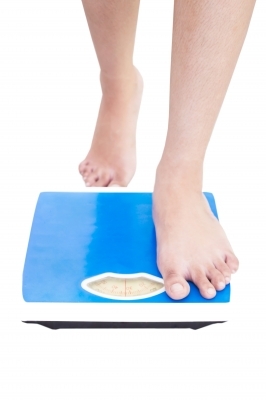
When you’re overweight, your entire life revolves around the scale. You check your weight weekly. The result can lead to a feeling of accomplishment or, sometimes just as often, frustration, failure, disappointment—you name it. It’s no wonder why, through all that negative conditioning, that stupid hunk of springs, glass and metal causes such a response even after all this time of successful weight maintenance. But really, it’s just a number.

Guys, as you hit your weight loss goals and possibly start putting on some lean mass, keep in mind that the scale becomes less important. Put two men side-by-side, both the same height and weight, but one has some muscle definition where the other guy still looks a bit soft. Does weight matter here? Of course not! You want to be the one with at least a little muscle and the only thing that’s going to show you that is the mirror (or a tape measure if you must have some number.) Ultimately, you need to worry less about the scale and pay more attention to how you feel. Making this huge change will help you move into your new healthy and fit lifestyle, leaving part of the “fat you” behind.

Image courtesy of chainat / FreeDigitalPhotos.net